
Uniform Size Guide
How to measure a team, why sizes are not standard between manufacturers, and the one step that prevents most reorders.
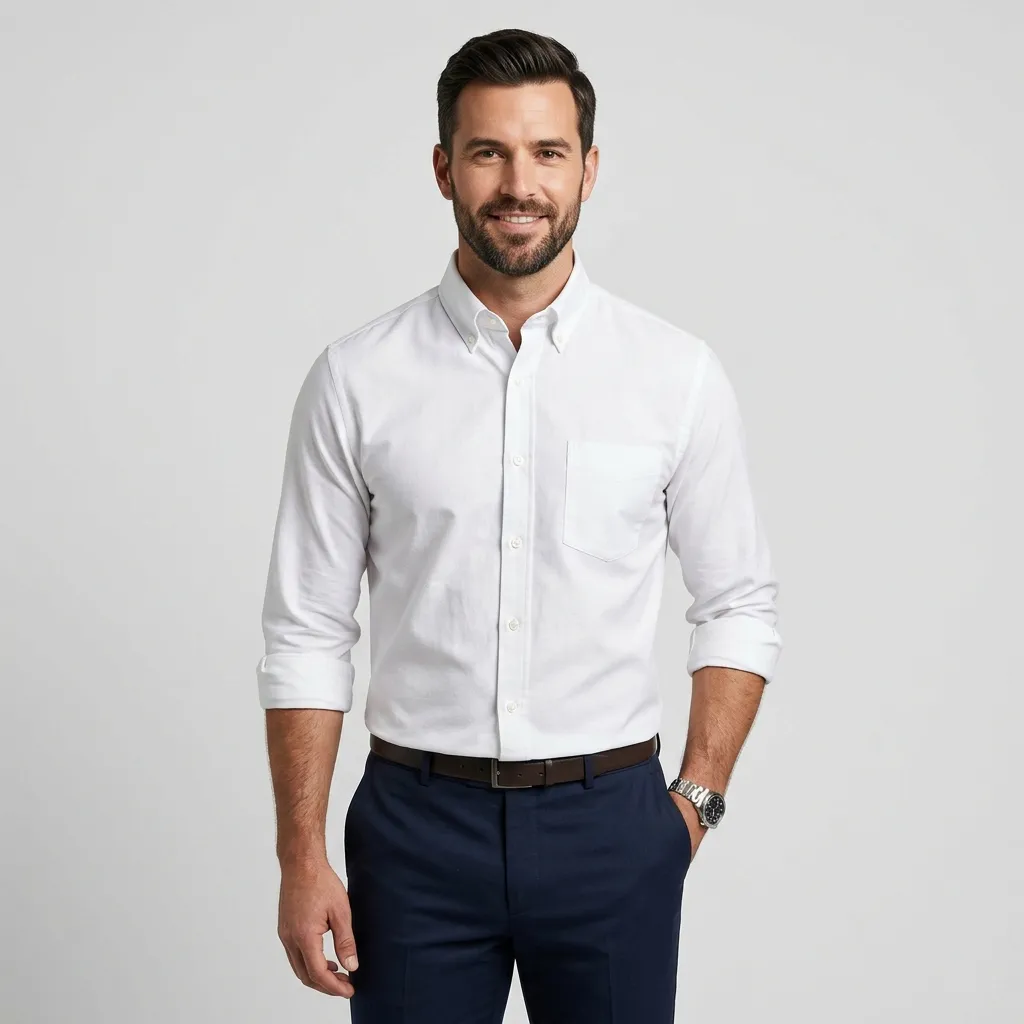
How Do You Size a Team for Uniforms?
Sizing is set by each factory pattern rather than a shared standard, so a large from one manufacturer is not a large from another. Carrying a size list across from a previous supplier is the most common cause of a failed first order. Measure the chest at its fullest point under the arms, the waist where trousers actually sit rather than at the anatomical waist, and the inside leg in the footwear worn on shift, since a safety boot and an office shoe give different answers. Then request a size set, one garment per size, so staff can try them on before quantities are confirmed. On a hundred piece order, replacing fifteen wrong sizes costs far more than the size set. Order a buffer of common sizes so new starters receive the same uniform rather than triggering a reorder.
There Is No Universal Uniform Size
A large from one manufacturer is not a large from another. Sizing is set by each factory pattern, not by a shared standard, which is why carrying sizes across from a previous supplier is the single most common cause of a failed first order.
The practical consequence is simple. Measure people, or let them try garments on, but do not assume the spreadsheet from your last supplier still applies. We publish exact measurement tables per garment on request, because a chart for a scrub top and a chart for a coverall are not interchangeable either.
How to Measure
Measure over a light layer, not over a jacket, and keep the tape level rather than pulled tight.
Chest
Around the fullest part of the chest, under the arms, with the tape level across the back. This is the primary measurement for shirts, jackets and blazers.
Waist
Around the natural waist where trousers actually sit, which is often lower than the anatomical waist. Measure where the garment will be worn, not where a tailor would mark it.
Hip
Around the fullest part, roughly 20 cm below the waist. Matters for trousers, skirts and fitted tunics.
Inside leg
From the crotch seam to the desired hem, measured in the footwear actually worn on shift. A safety boot and an office shoe give different answers.
Sleeve
From the shoulder point down the outside of a slightly bent arm to the wrist bone. Long sleeve shirts and jackets only.
Neck
Around the base of the neck with one finger between tape and skin. Needed for formal shirts worn with a tie, otherwise chest is enough.
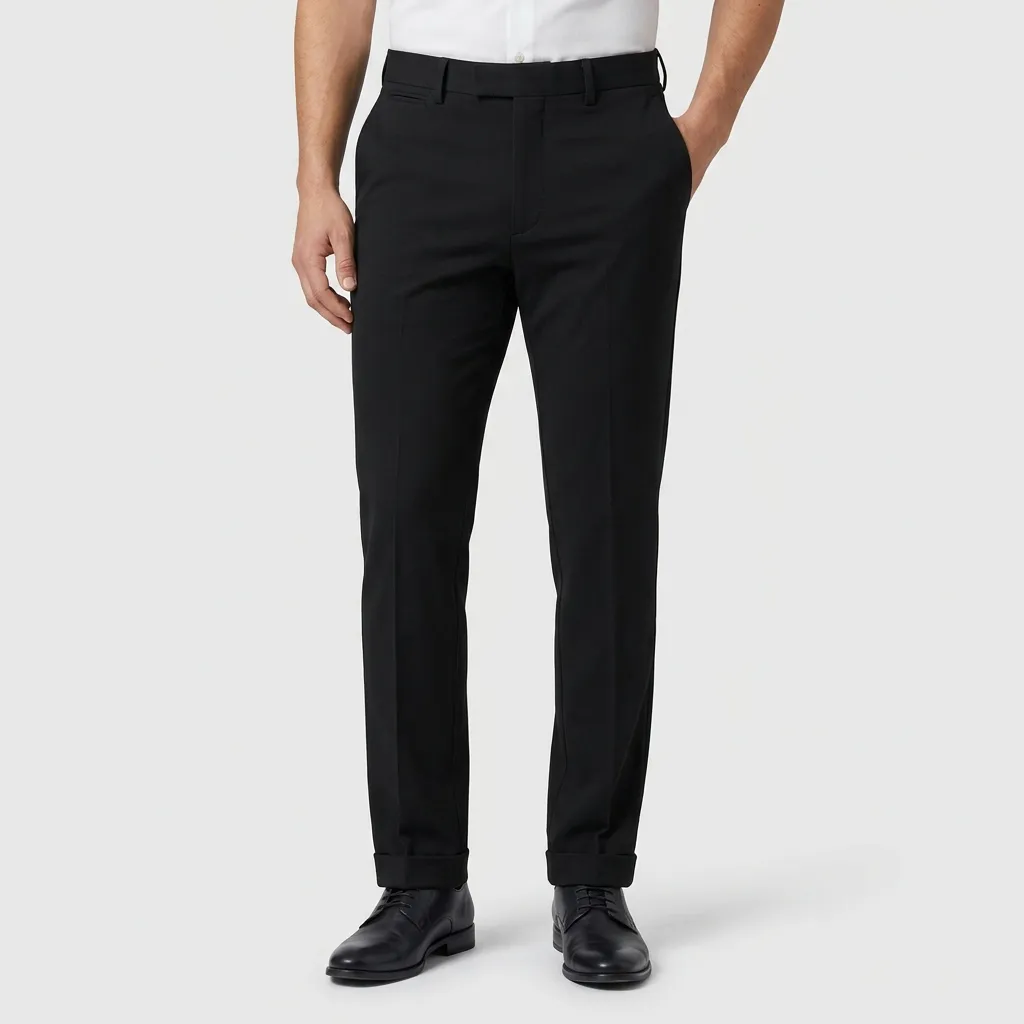
Run a Size Set Before You Confirm Quantities
A size set is one garment in each size, sent before the main order. Staff try them on, you record what actually fits, and only then do you confirm the size breakdown. It costs a few days and a handful of garments.
It is the single step that prevents most uniform complaints, and it is worth the most on the garments people are fussiest about: blazers, trousers and scrubs. On a hundred piece order, replacing fifteen wrong sizes costs far more than the size set would have.
Order a small buffer of common sizes at the same time. New starters arrive mid year, and a buffer means they get the same uniform as everyone else rather than a slightly different reorder.
Garment by Garment
- Shirts and polos: chest is the driver. Add neck and sleeve for formal shirts worn with a tie.
- Trousers: waist and inside leg. Decide hemmed or unhemmed before ordering, since mixed teams usually do better unhemmed.
- Coveralls: size over the clothing actually worn underneath, and check reach and squat rather than standing fit alone.
- Scrubs: fit varies more between manufacturers than any other garment, so a size set is close to essential.
- Blazers and suits: least tolerant of a wrong size of anything we make. Chest, waist and sleeve, plus a fitting where possible.
- Womens cuts: differ in more than length and should be specified as their own garment, not sized down from a mens pattern.
Ordering for a specific sector? See corporate, healthcare, hospitality, industrial or school uniforms.
Uniform Sizing FAQs
Can I use my previous supplier size list?
We would advise against it. Sizing is set by each factory pattern rather than a shared standard, so a large from one manufacturer is not a large from another. Carrying an old list across is the most common cause of a failed first order.
What is a size set and do I need one?
It is one garment in each size, sent before your main order so staff can try them on. We recommend it on any order above a handful of pieces, and consider it close to essential for scrubs, blazers and trousers.
How do I measure inside leg correctly?
From the crotch seam to the desired hem, with the person wearing the footwear they actually wear on shift. Safety boots and office shoes give different results, and this is where most trouser reorders come from.
Should trousers be hemmed or supplied unhemmed?
For a mixed team, unhemmed is usually better value because each garment can be altered to the wearer. For a single role where a uniform look matters, finished hems are simpler to manage.
How much buffer stock should we order?
A small allowance of the most common sizes, so new starters can be issued the same uniform rather than triggering a reorder. It also covers damage and loss without disrupting the programme.
Do you publish exact size charts?
Yes, per garment on request. Charts differ by garment type, so a scrub top and a coverall are not interchangeable. Tell us which garments you are ordering and we will send the measurement tables for those specific items.
Ask for the size set
Tell us the garments and roughly how many people. We will send measurement tables for those specific garments, and a size set to try before you confirm quantities.
Related Guides
Part of our uniform buying guides. See also the cost guide, care guide and bulk ordering.