
Oxford Fabric for Uniform Shirts
The default cloth for executive and business shirts, and the one most often specified without anyone checking the weight. Here is what to ask for.
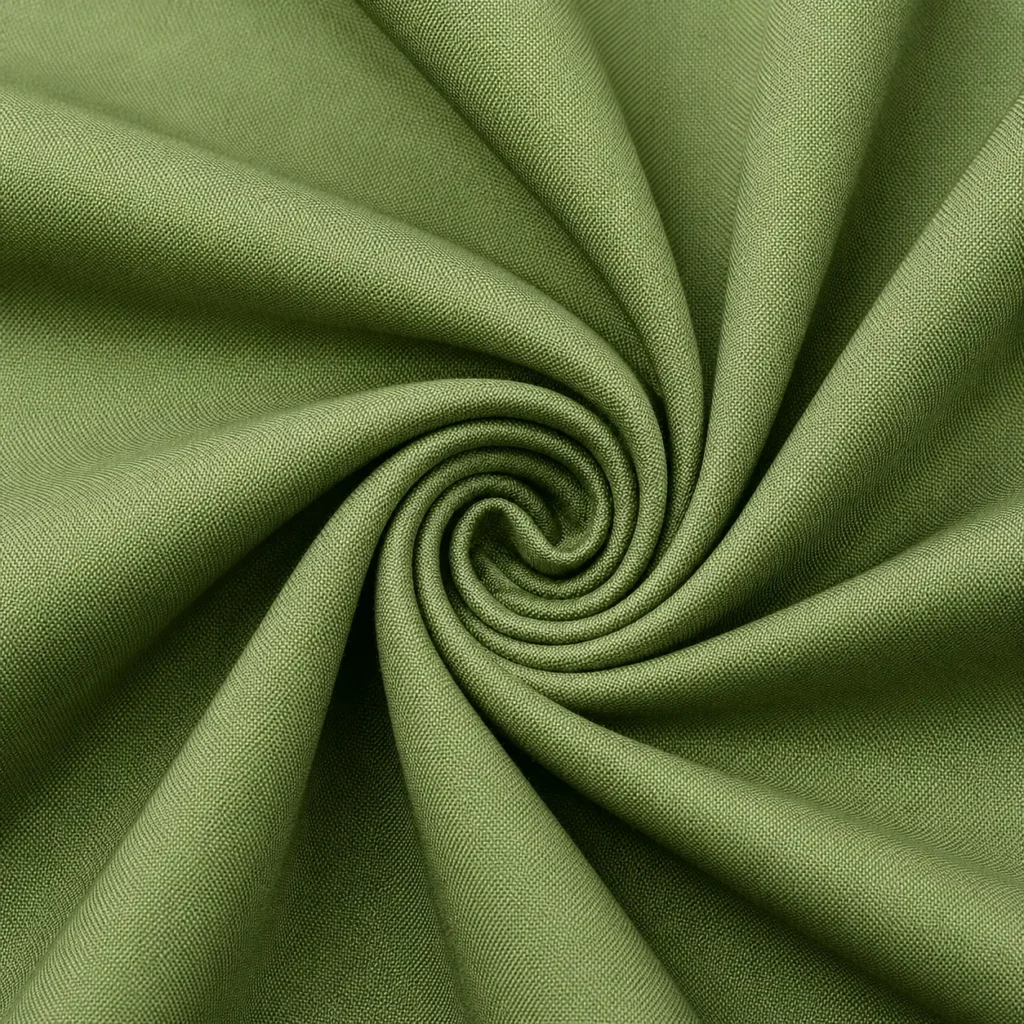
What Is Oxford Fabric?
Oxford is a weave rather than a fibre. Where a plain weave crosses one thread over one, oxford crosses two or more fine warp threads over a heavier weft, producing a subtle basketweave texture with a slight natural sheen. That structure gives the cloth body without stiffness, so it holds a collar and cuff shape and presses crisply, while the visible texture disguises light creasing better than a flat poplin. It comes in pure cotton or as a poly cotton blend, and for uniform use the blend is almost always the better answer because it holds colour through repeated commercial laundering. For corporate shirting we recommend 140 to 160 GSM: lighter can show through under strong lighting, heavier starts to feel warm in UAE conditions.
What Makes Oxford Different
Oxford is a weave, not a fibre. Where a plain weave crosses one thread over one, oxford crosses two or more finer warp threads over a heavier weft, producing a subtle basketweave texture with a slight natural sheen. That structure is the whole reason it behaves the way it does.
The basketweave gives the cloth body without stiffness, so it holds a collar and cuff shape well and presses crisply. The visible texture also disguises light creasing better than a flat poplin, which is why an oxford shirt still looks presentable at four in the afternoon. It comes in pure cotton or as a poly cotton blend, and for uniform use the blend is almost always the better answer.
The Variants Worth Knowing
Standard oxford
The heaviest and most textured of the family. Durable, casual in character, and the usual choice for button down shirts. Holds up well to frequent washing, which matters for daily uniform wear.
Pinpoint oxford
Same weave with finer yarn and a tighter construction. Smoother and more formal than standard oxford while keeping the durability. A sensible middle ground for corporate uniforms that need to read as business rather than casual.
Royal oxford
The finest and most lustrous, with a dressier surface closer to a formal shirting. Best reserved for executive and front of house roles where appearance outranks hard wear.
Poly cotton oxford
Not a separate weave but the blend most uniform programmes should specify. It keeps the oxford texture while resisting creasing and holding colour through repeated commercial laundering.

Ask for the Weight, Not Just the Name
Oxford covers a wide weight range, and this is where quotes diverge without anyone noticing. A shirt at the light end and one at the heavy end are both an oxford shirt on paper, and one will outlast the other by a year while the other feels cooler in August.
For corporate shirting we normally recommend the 140 to 160 GSM range. Lighter than that and the cloth can show through under strong lighting, which matters for white and pale shirts. Heavier and it starts to feel warm for UAE conditions, particularly on staff who move between air conditioning and outdoors.
Ask any supplier to state the GSM in writing. Without it you cannot compare two oxford quotes, and it is the single easiest thing for a cheaper supplier to leave unsaid.
Oxford Compared
Oxford or poplin
Poplin is a plain weave: smoother, lighter and more formal, but it creases more visibly and wears through sooner at collar and cuff. Oxford trades a little formality for durability and creases that do not show. For a uniform worn daily, oxford is usually the better economics.
Oxford or twill
Twill has a diagonal weave, drapes softly and hides creasing well, but it has a sheen that reads less crisp. Oxford holds structure better in a collar. Twill suits trousers and softer shirting, oxford suits a shirt that must look pressed.
Oxford also takes branding cleanly. It is a stable woven cloth, so it accepts embroidery without puckering, unlike lightweight stretch fabrics. See the full uniform fabric guide for GSM ranges across every garment type.
Oxford Fabric FAQs
What is oxford fabric?
A weave rather than a fibre. Two or more fine warp threads cross a heavier weft, giving a subtle basketweave texture with a slight sheen. That structure gives the cloth body without stiffness, which is why it holds a collar shape and presses crisply.
What GSM should an oxford uniform shirt be?
We normally recommend 140 to 160 GSM for corporate shirting. Below that the cloth can show through under strong lighting, particularly in white. Above it the shirt starts to feel warm for UAE conditions.
Is oxford better than poplin for uniforms?
For daily uniform wear, usually yes. Poplin is smoother and more formal but creases more visibly and wears through sooner at collar and cuff. Oxford trades a little formality for durability and creases that do not show.
Should I choose cotton or poly cotton oxford?
Poly cotton for most uniform programmes, because it holds colour and resists creasing through repeated commercial laundering. Pure cotton oxford breathes better and suits roles where comfort outranks upkeep.
What is the difference between oxford and pinpoint oxford?
Pinpoint uses finer yarn in a tighter construction, so it is smoother and more formal while keeping the durability. It is a sensible middle ground for corporate uniforms that need to read as business rather than casual.
Does oxford take embroidery well?
Yes. It is a stable woven cloth, so it accepts embroidery cleanly without the puckering you get on lightweight stretch fabrics. It is one of the easiest uniform fabrics to brand.
Feel it before you specify it
Tell us the roles and how often shirts are laundered. We will recommend an oxford weight and blend, and send swatches so you are not judging cloth from a screen.
Related Guides
Part of our uniform fabric guides. See also cotton vs poly cotton and shirts and polos.