
FR Fabric for Workwear
Flame resistant cloth is protective equipment, not a fabric preference. The questions to ask before you buy, and the one most buyers miss.
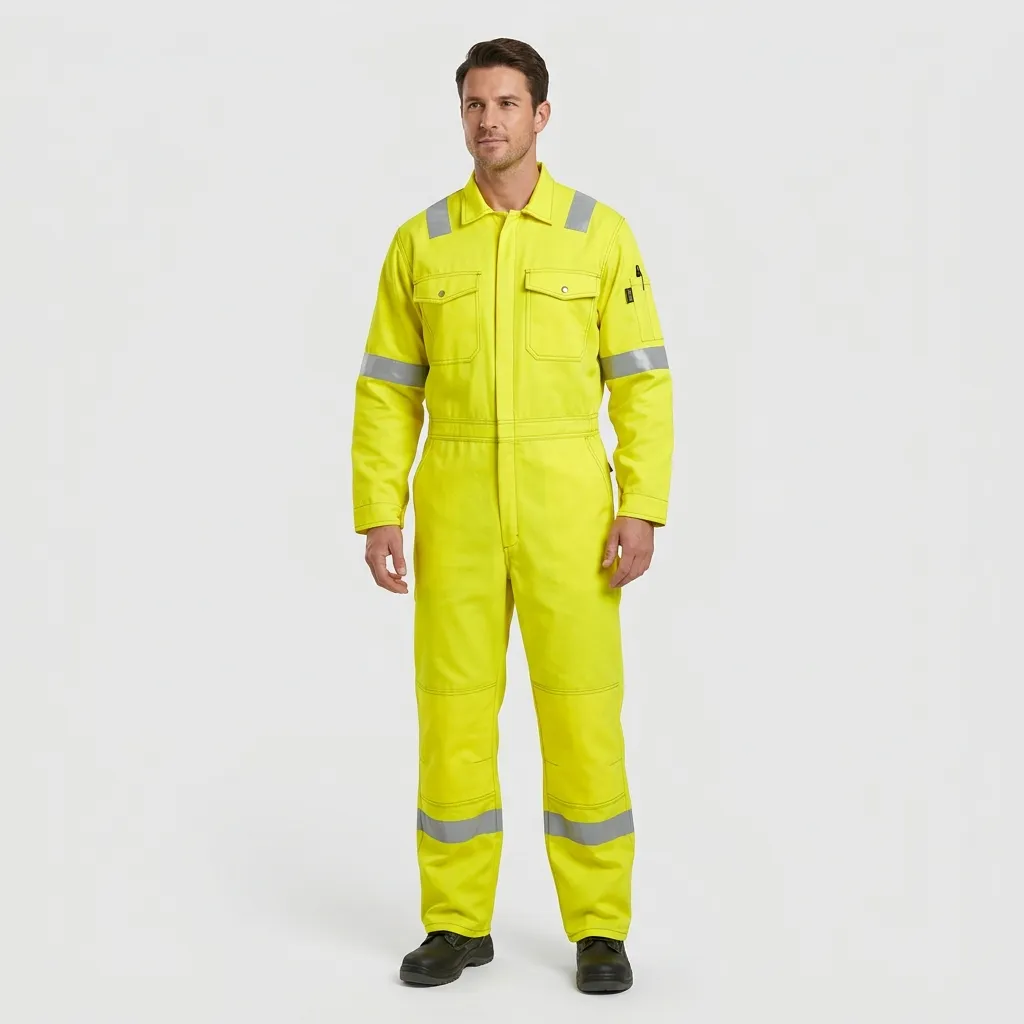
What Is FR Fabric?
FR fabric is cloth that resists ignition and self extinguishes rather than melting onto the wearer. Protection comes from one of two sources and the difference decides everything. In inherent FR fabric the resistance is built into the fibre, so it cannot wash out and lasts the life of the garment. In treated fabric, ordinarily flammable cloth such as cotton is chemically finished, and that finish degrades after a stated number of wash cycles. Ask any supplier which one you are being quoted, and for treated fabric ask for the rated wash count, because a treated coverall past its limit looks identical to a new one and protects like ordinary cotton. Certification is separate again: NFPA 2112 covers flash fire, EN ISO 11612 covers heat and flame, and electrical arc protection carries its own arc rating that flame resistance alone does not imply.
Inherent or Treated: The Question That Decides Everything
Flame resistance comes from one of two places, and the difference is not cosmetic. In inherent fabric the protection is built into the fibre itself, so it cannot wash out and lasts the life of the garment. In treated fabric, ordinarily flammable cloth such as cotton is chemically finished to resist flame, and that finish degrades over a stated number of wash cycles.
Both are legitimate. A treated garment can be the right economic choice for a role with moderate exposure and controlled laundering. What is not acceptable is not knowing which you bought. Ask the supplier to state it in writing, along with the number of wash cycles the protection is rated for, because a treated coverall past its cycle count looks identical to a new one and protects like ordinary cotton.
The Standards You Will See
Different standards test different hazards. A garment certified for one is not automatically suitable for another, so specify against the actual risk rather than asking generally for FR.
NFPA 2112
The US standard for flash fire protection in industrial settings, widely referenced across oil and gas. Garments are tested for flame resistance, heat transfer and thermal shrinkage.
EN ISO 11612
The European standard for protection against heat and flame, with letter codes for the specific hazards covered such as convective, radiant and molten metal contact. Check the codes, not just the number.
Arc flash ratings
Electrical arc protection is rated separately and expressed as an arc rating. Flame resistance alone does not imply an arc rating, which is a common and dangerous assumption on electrical work.
EN ISO 20471
High visibility, often required alongside FR. Where both apply, the garment must satisfy each independently and the certified fluorescent area must be preserved.
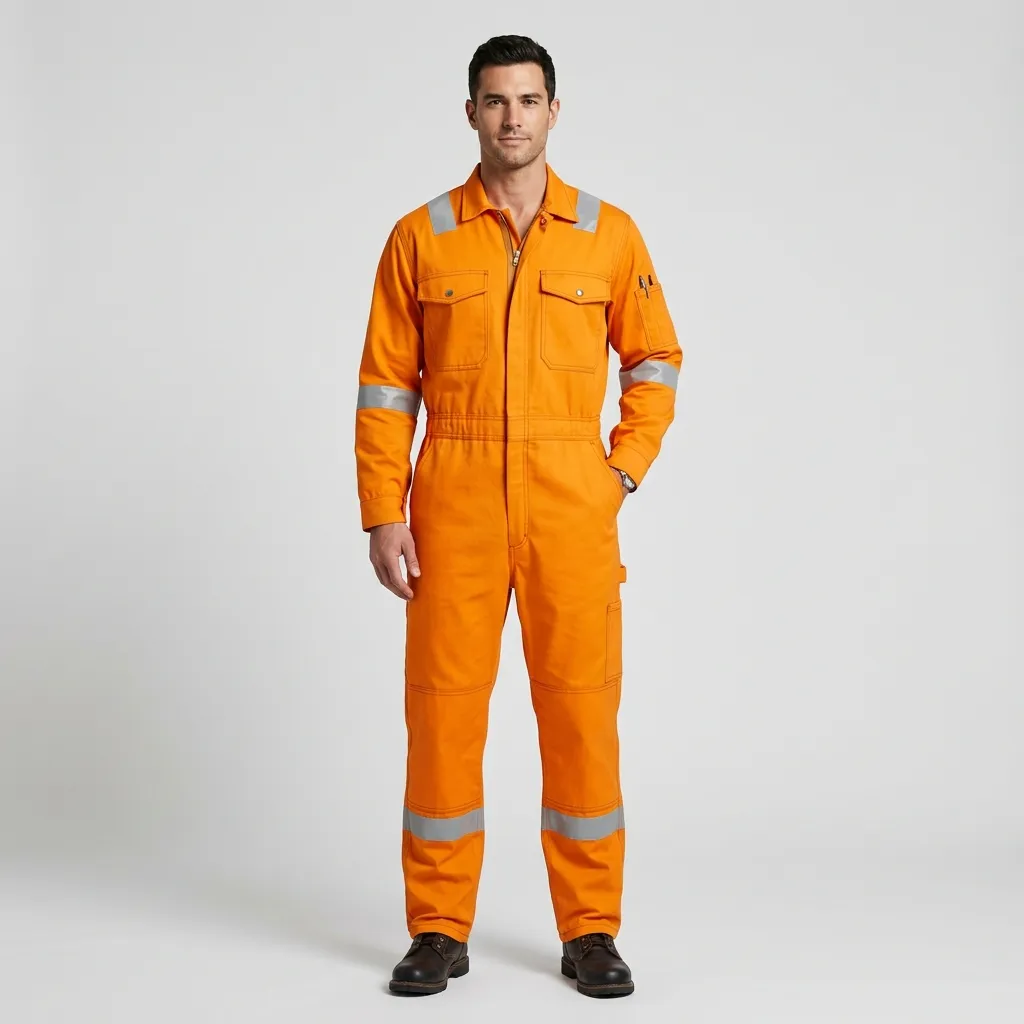
How Certified Workwear Gets Quietly Compromised
Branding. Standard polyester thread and plastisol ink are not flame resistant. Applied to a certified garment they become a melting point against the skin and can invalidate the rating. Identification belongs in FR certified aramid thread and emblems, which we hold in stock.
Laundering. Fabric softener leaves a flammable residue on the cloth. Bleach and starch cause similar problems. Incorrect washing can strip protection from a garment that is otherwise well within its service life, so wash instructions need to reach whoever actually does the laundry, not just the buyer.
Layering. A non FR shirt worn under an FR coverall can melt against the skin in a flash fire. Base layers in a certified environment should be FR or natural fibre, never polyester.
Specifying FR Workwear for UAE Conditions
Get right
- State the hazard, not just the words flame resistant
- Confirm inherent or treated, in writing
- For treated fabric, get the rated wash cycle count
- Check arc rating separately if electrical work is involved
- Plan branding placement and thread before production
Watch out for
- Specifying the heaviest cloth available, which traps heat and gets worn open
- Assuming FR implies an arc rating
- Non FR base layers under certified outerwear
- Fabric softener in the laundry cycle
- Reflective vinyl added to a certified hi vis garment
See coveralls and safety workwear for the garment range, industrial uniforms for full programmes, or the fabric guide for non safety cloth.
FR Fabric FAQs
What is the difference between inherent and treated FR fabric?
In inherent fabric the flame resistance is part of the fibre, so it cannot wash out and lasts the life of the garment. In treated fabric a chemical finish is applied to otherwise flammable cloth, and that finish degrades after a stated number of wash cycles. Always ask which you are being quoted, and for treated fabric ask for the rated cycle count.
Does FR fabric protect against electrical arc?
Not automatically. Arc protection is rated separately and expressed as an arc rating. Assuming that any flame resistant garment is arc rated is a common and dangerous mistake on electrical work, so specify the arc requirement explicitly.
Can you embroider a logo on FR workwear?
Yes, using FR certified aramid thread and emblems, which we hold in stock. Standard polyester thread is not flame resistant and can compromise the garment rating, so it should never be used on certified workwear.
How should FR workwear be laundered?
Exactly as the manufacturer specifies, and never with fabric softener, which leaves a flammable residue. Bleach and starch cause similar problems. Make sure the wash instructions reach whoever actually launders the garments.
Can staff wear their own shirt under an FR coverall?
They should not wear polyester. A non FR base layer can melt against the skin in a flash fire even when the outer garment performs correctly. Base layers in a certified environment should be FR or natural fibre.
Should we choose the heaviest FR fabric available?
Usually not. In UAE summer conditions a heavier garment traps more heat and tends to be worn open or not at all, which protects nobody. The right answer is the lightest option that still meets the certification requirement.
Send us the hazard and the standard
Tell us the risk, the standard that applies and how garments are laundered. We will confirm in writing what we can meet before quoting, and brand it without compromising the rating.
Related Guides
Part of our uniform fabric guides. See also high visibility fabric and coveralls and safety wear.